Key Takeaways
- Wireless microphone integration with mobile apps boosts both recording quality and ease of use.
- Hybrid devices, such as microphones with built-in audio interfaces, streamline mobile setups and enhance portability.
- Advances in mobile audio interfaces make high-quality on-the-go recording accessible to everyone, from musicians to journalists.
Mobile technology continues to revolutionize the way audio and video are recorded on the go. The convenience, accessibility, and increasing power of smartphones and tablets have opened up new possibilities for content creators, journalists, and musicians. In pursuit of professional results, many are exploring ways to push the limits of sound and video quality with tools that were once exclusive to full studios. Design trends in recording app UI further reflect this evolution, offering intuitive controls, easy workflow integration, and streamlined interfaces for creators at every level.
Today’s mobile recording solutions offer much more than simple voice memos or rudimentary video clips. The rise of external microphones, wireless transmitters, powerful editing apps, and rich interface improvements allows users to capture premium audio and video content outside the studio consistently. Thanks to direct integration between smart hardware and software, professionals and hobbyists alike can enjoy studio-grade tools on their mobile devices. Whether producing a documentary on location, tracking song ideas from the road, or covering live events with just a phone in hand, the latest generation of mobile audio and video interfaces delivers new creative freedom. These innovations support multichannel audio, high-resolution recording, real-time monitoring, and advanced processing, all tailored for mobile workflows. Developers and hardware companies are also leading the way by offering seamless integration between their gear and popular mobile platforms. That means connectivity, compatibility, and optimal workflow right out of the box for those looking to capture professional-grade results with devices they already own.
Integration of Wireless Microphones with Mobile Applications
The pairing of wireless microphones with dedicated mobile applications has become a defining feature in today’s mobile recording landscape. Shure’s MoveMic system, for example, connects directly with apps like Haivision’s MoJoPro to deliver broadcast-quality audio without the need for cumbersome receivers or additional hardware. This setup enables dual-channel audio capture, ideal for capturing interviews or multi-participant recordings in challenging environments. With high-fidelity sound, live video broadcasting, and minimal technical setup, these solutions empower mobile journalists and creators to operate at a professional level from virtually any location.
Microphones with Built-In Audio Interfaces
Another exciting development is the emergence of microphones with built-in audio interfaces. One notable example is Shure’s MV7i Smart Microphone and Interface. This innovation allows users to connect additional microphones or instruments directly, eliminating the need for separate audio interfaces. With digital and analog inputs tightly integrated, these devices make podcasting, music recording, and streaming more practical in mobile settings. Users can expect smooth operation whether recording directly to a mobile device or expanding to a laptop-based workflow.
Advancements in Mobile-Compatible Audio Interfaces
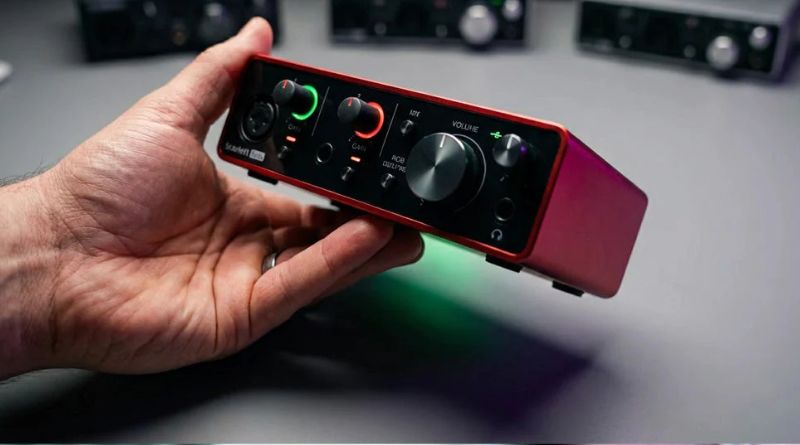
There has been a marked uptick in the production of audio interfaces optimized specifically for mobile use. Companies like Apogee have released devices like the JAM X, which connect seamlessly to iPhones and iPads, delivering pristine audio quality while remaining lightweight and portable. These interfaces often support advanced features, such as built-in analog compressors, instrument inputs, and real-time monitoring, making them essential for musicians and producers on the go. The adaptability and flexibility of these interfaces are key drivers in the shift from solely desktop-based production to a more mobile-first creative process.
Enhancements in Audio-Visual Synchronization
Contemporary research and product design are increasingly focused on tightening the link between recorded audio and video. New frameworks like FoleyDirector are designed to provide temporal precision, ensuring that on-screen action aligns perfectly with captured sound. This is especially valuable for filmmakers, video journalists, and content creators producing high-stakes media for audiences that expect seamless, natural multimedia experiences. Tools that integrate intelligent synchronization and editing tools are giving solo creators the kind of polish that was previously out of reach without a full post-production team.
Portable Audio Interfaces for On-the-Go Production
Portability remains a driving force behind much of the innovation in mobile interfaces. Products like the Apogee JAM X offer professional studio capabilities in a device small enough to slip into a laptop bag. These interfaces support high-resolution audio, multi-channel mixing, and broad compatibility with both iOS and Android. With the ability to monitor and mix on-site, creators are no longer tethered to traditional studios, opening up new possibilities for music creation, field interviews, and rapid video production.
Future Trends in Mobile Recording Interfaces
The next generation of mobile audio and video recording tools will likely be defined by smart automation and real-time processing. As artificial intelligence and machine learning enhance noise reduction, automatic gain adjustment, and intelligent sound correction, users can expect their recordings to require less manual editing. These emerging features give users greater creative control while reducing the technical barriers to high-quality content creation. The integration of such technologies promises to democratize professional recording further, enabling innovation and creativity across a broader range of communities and industries.
Conclusion
With every advancement in mobile audio and video recording interfaces, the gap between mobile and studio production continues to narrow. The combination of innovative hardware, refined software, and integrated workflows is delivering new levels of quality and convenience for content creators of every stripe. As these trends develop, both professionals and enthusiasts can look forward to even more accessible, powerful tools for capturing and sharing their stories, wherever inspiration strikes.