Key Takeaways
- Understand the different types of insulation materials and their applications.
- Learn about R-values and their significance in insulation performance.
- Consider factors such as climate, budget, and specific home needs when choosing insulation.
Table of Contents
- Understanding Insulation Materials
- The Importance of R-Values
- Factors to Consider When Choosing Insulation
- Common Types of Insulation
- Insulation Installation Methods
- Cost Considerations
- Environmental Impact of Insulation Materials
- Conclusion
Ensuring your home is properly insulated is one of the best ways to enhance comfort, maintain consistent indoor temperatures, and reduce energy bills year-round. Choosing the appropriate insulation isn’t always straightforward, with numerous options and factors to weigh each affecting performance and efficiency differently. If you’re in Florida and looking to make your home more energy efficient, it’s worth checking out North Palm Beach insulation services for local solutions tailored to your needs. The right insulation can significantly boost your home’s livability and lower annual energy costs.
Before you invest, understanding the differences among insulation types, R-values, installation areas, and your local climate will help you make a smart, lasting choice. Quality insulation keeps your house warmer in winter and cooler in summer and provides a critical barrier against moisture and noise. By taking a strategic approach to insulation, you could see both immediate and long-term payoffs in comfort and energy savings.
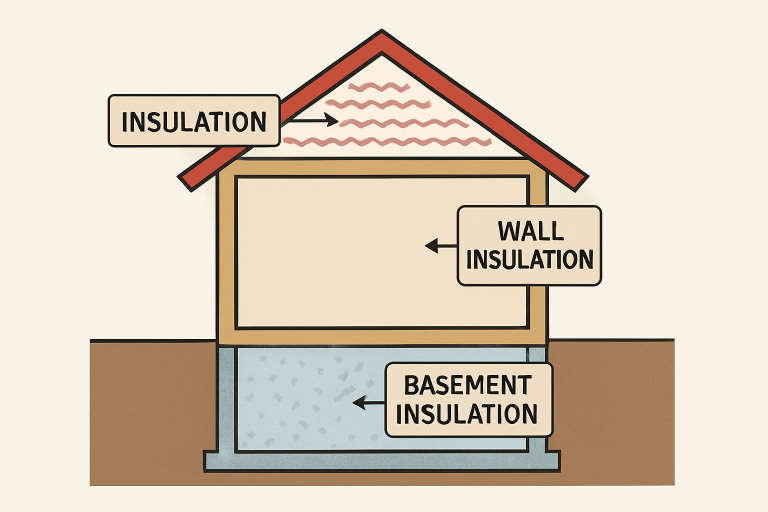
Given that different areas of your home may require specialized solutions, such as attics, crawlspaces, and basements, it’s important to select materials and methods appropriate to each application. Insulation upgrades are also among the top recommendations for homeowners seeking government incentives or rebates for energy efficiency projects. An investment in insulation delivers recurring returns by reducing the load on your HVAC system and maintaining stable indoor temperatures year-round.
For those specifically researching attic solutions, upgrading your attic insulationcan be a game-changer for home performance and energy reduction. According to the U.S. Department of Energy, proper attic insulation is vital for minimizing heat gain or loss in homes.
Understanding Insulation Materials
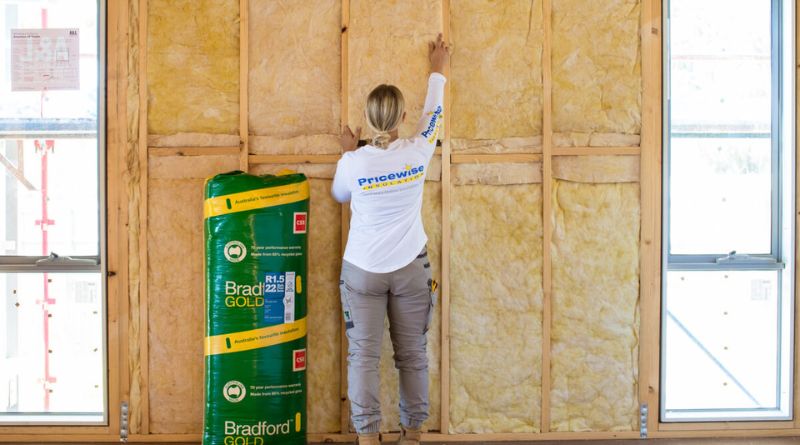
Insulation materials differ in composition and suitability for various spaces within a home. Fiberglass, cellulose, spray foam, and rigid foam boards are among the most commonly used options. Fiberglass is favored for its affordability and ease of installation. Cellulose, derived from recycled paper, is commonly blown into attics and walls and is excellent for air-sealing and fire resistance. Spray foam stands out for providing both insulation and air sealing by expanding to fill cracks and crevices. Rigid foam boards are used in areas where higher insulating values are needed within limited spaces, such as exterior walls or basement insulation.
The Importance of R-Values
R-value is the standard metric for assessing insulation’s effectiveness. The higher the R-value, the greater the material’s capacity to inhibit heat flow. Your home’s location and climate strongly influence the recommended R-value for each part of your house. For example, colder climates require higher R-values in attics and walls to minimize heat loss, while warmer climates prioritize barrier-type insulation to prevent excessive heat gain. Always check local building codes or consult with a professional to determine the appropriate R-values for your region. For comprehensive R-value recommendations, consult resources like the U.S. Department of Energy’s insulation guide.
Factors to Consider When Choosing Insulation
- Climate: The severity of local summers and winters shapes your optimal insulation approach. More extreme climates will necessitate higher R-values and potentially layered insulating strategies.
- Budget: Fiberglass batts are typically less expensive, while spray foam, which offers superior air sealing and insulation, is more expensive. Balancing upfront costs against potential energy savings over time is essential.
- Installation Area: Some materials are better suited for specific locations. For instance, spray foam excels in hard-to-reach gaps, while cellulose works well for retrofitting enclosed spaces.
- Health and Comfort: Some materials can improve indoor air quality by reducing drafts, dust, and allergens. Always choose a type that aligns with your household’s allergies or sensitivities.
Common Types of Insulation
- Fiberglass: Available as batts, rolls, or loose-fill; it’s easy for DIY projects and widely available.
- Cellulose: An eco-friendly option made from recycled paper and treated for fire resistance. It is often used for retrofitting and is excellent at filling tight spaces.
- Spray Foam: Expands on application to fill cavities, create an airtight seal, and deliver high R-values ideal for attics, crawl spaces, and problematic air leaks.
- Rigid Foam Boards: Provide high insulating value per inch and are suitable for basements, exterior walls, and continuous insulation methods outside of structural framing.
Insulation Installation Methods
- DIY-Friendly: Fiberglass batts or rolls can often be installed by homeowners with careful attention to gaps and proper fitting.
- Professional Installation: Blown-in cellulose and spray foam require experienced technicians and specialized equipment to ensure complete coverage and air sealing. Professional installation is highly recommended for these materials to maximize efficiency and safety.
Improper installation dramatically reduces effectiveness, leading to higher utility bills and uncomfortable drafts. Learn more at U.S. Department of Energy’s insulation guide.
Cost Considerations
- Fiberglass Batts: An economical option, typically costing $0.30 to $1.50 per square foot, including materials and basic installation.
- Spray Foam: Costs range from $1.70 to $2.50 per square foot for open-cell foam and $1.30 to $2.00 per square foot for closed-cell foam. The higher initial expense is often offset by superior energy savings over time.
Investing in top-quality insulation can lead to significant reductions in heating and cooling costs, often recouping your initial investment within several years.
Environmental Impact of Insulation Materials
Environmental considerations are increasingly important. Cellulose is made from up to 85% recycled materials, offering a low-impact and sustainable option. Some newer spray foams utilize low-global-warming-potential blowing agents, but older formulations may still have significant environmental footprints. Always research a product’s life-cycle assessment and check for labels like Greenguard or ENERGY STAR.
In addition to performance, minimizing environmental impact ensures your choice helps both your household and the planet. Discover more about sustainable materials from the U.S. Department of Energy’s insulation guide.
Conclusion
Choosing the right insulation for your home involves more than just comparing costs. Evaluate the properties of each material, consult R-value recommendations, and factor in your home’s unique needs. The best results come from pairing the correct insulation with professional installation, maximizing comfort, indoor air quality, and energy efficiency for years to come.