Table of Contents
- Traditional Methods of Well Construction
- Modern Drilling Techniques
- Horizontal Well Drilling
- Integration of Smart Water Systems
- Case Studies of Recent Projects
- Regulatory Standards and Best Practices
- Future Trends in Water Well Construction
- Final Thoughts
Ensuring access to clean, reliable water has never been more crucial for both urban and rural communities. Modern water well construction stands at the intersection of technological advancement and public health, offering solutions that safeguard water quality and supply. Today’s well systems rely not only on advanced equipment and skilled engineering but also on regulatory oversight and innovative digital tools. For those seeking expertise or immediate solutions, water testing & treatment services in Ohio are a critical resource, highlighting the importance of thorough water analysis in the well construction process.
As populations grow and environmental challenges intensify, the sophistication of water well engineering has grown dramatically. From the integration of digital monitoring systems to the application of sustainable construction practices, new techniques have emerged to ensure communities enjoy healthier, more dependable water systems. This article examines the evolution of water well development, from traditional practices to cutting-edge innovations, enabling homeowners, municipalities, and industry stakeholders to make informed decisions about water infrastructure.
Advancements in modern well technology also present solutions for increasing usage and adapting to shifting climate patterns, helping to secure water futures for generations to come. Groundwater resources, vital to human and environmental well-being, demand approaches that are both sustainable and adaptive. Communities and businesses are responding by embracing technologies that help maximize yield, reduce costs, and protect water quality—supporting long-term resilience against contamination and scarcity.
Traditional Methods of Well Construction
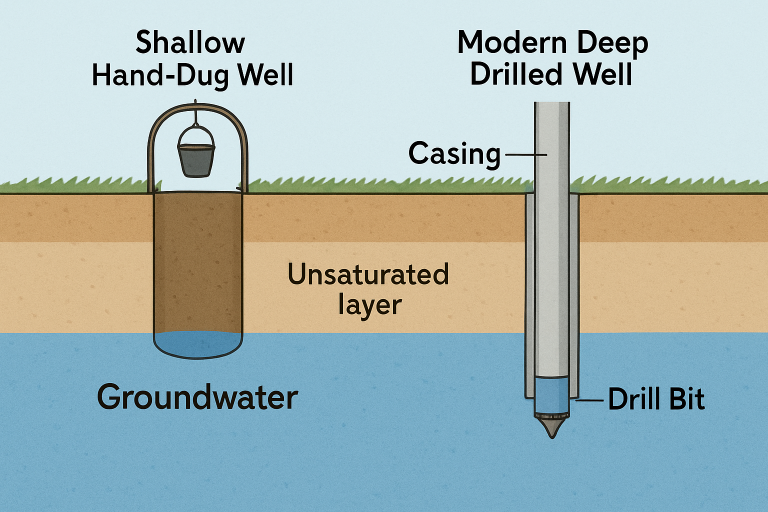
For millennia, communities relied on hand-dug wells, often fortified with stone or brick linings to prevent cave-ins and surface pollution. Ancient cities, such as those of the Indus Valley civilization, constructed sophisticated brick-lined wells that served as lifelines for their settlements. These early systems were labor-intensive and, while vital for their time, offered limited capacity and were vulnerable to both collapse and surface contamination. Maintaining water quality and quantity was a constant challenge, as shallow depths made these wells highly susceptible to drought and pollution from nearby activities.
Modern Drilling Techniques
Advances in drilling technology have transformed modern water well construction. Rotary drilling, one of the most significant breakthroughs, enables wells to reach deep water-bearing rock formations with speed and precision. Using a steel drill bit attached to a rotating pipe, the process can cut through layers of solid rock and dense clay. This method allows wells to be cased and sealed effectively, offering improved natural filtration and protecting groundwater from nearby contaminants. Many rural and suburban communities, as well as agricultural operations, now benefit from reliable wells tapping deep aquifers for sustainable water use.
Horizontal Well Drilling
Horizontal well drilling, an innovation borrowed from the oil and gas sector, is gaining popularity for water supply projects, particularly where maximizing yield is crucial. In this technique, the well extends horizontally through an aquifer, rather than being restricted to a vertical shaft. This significantly increases the exposed surface area for water extraction, resulting in higher yields with reduced vertical drilling. Municipalities like Midwest City, Oklahoma, have successfully implemented horizontal wells to enhance capacity and efficiency in their public water systems. This method is especially valuable in low-permeability aquifers where vertical wells fail to deliver sufficient supplies.
Integration of Smart Water Systems
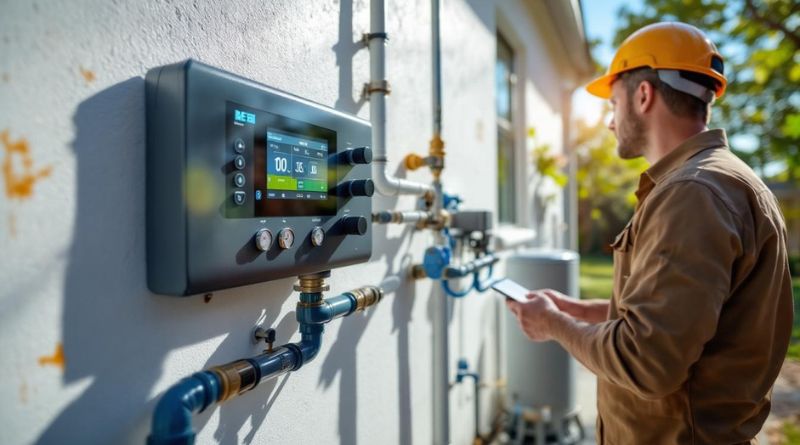
New digital tools and smart monitoring systems are revolutionizing the way wells are managed and maintained. Utilizing a network of sensors and real-time data analytics, these systems can monitor water levels, quality, pressure, and performance, alerting operators to changes and potential risks. This proactive approach enables quicker response to contamination or mechanical issues, minimizing downtime and potential hazards. Home and business owners are increasingly utilizing smart systems to ensure their wells remain safe, reliable, and cost-effective—essential for managing finite water resources responsibly.
Case Studies of Recent Projects
Modern well construction techniques have been realized in a variety of large-scale projects across the United States:
- Marion, Mississippi: To increase reliability and capacity, the city recently drilled a new municipal well, funded through a $3.4 million grant. This ensures redundant access to safe water, crucial for both routine supply and emergency resilience as demand grows.
- Riviera Beach, Florida: As part of a $400 million overhaul of its water treatment plant, the city installed a deep-injection well to manage water treatment byproducts safely. This innovation addresses persistent water quality concerns, providing reassurance and stability for residents.
Regulatory Standards and Best Practices
To protect public health and the environment, water well construction is governed by a range of local, state, and national regulations. In Minnesota, for example, strict codes dictate approved construction materials, setbacks from contamination hazards, and sealing requirements to prevent surface pollution from entering groundwater. Compliance with these guidelines ensures potable water supplies remain uncontaminated for users. Best practices include regular inspections, source protection planning, and ongoing water quality testing to ensure long-term safety and optimal performance.
Future Trends in Water Well Construction
The next phase of water well development will rely on smart automation, environmental monitoring, and artificial intelligence for system management. Predictive analytics will play a greater role in forecasting maintenance schedules and optimizing extraction rates. Emerging technologies, such as blockchain, may help validate water testing and management data, thereby building public trust. Sustainability initiatives—such as advanced filtration, energy-efficient drilling, and resource recycling—will be central to navigating the intersecting challenges of climate change and population growth.
Final Thoughts
The evolution of water well construction, driven by innovative drilling techniques, smart system integration, and robust regulatory oversight, ensures greater access to high-quality water supplies. As challenges shift and demands escalate, investment in research, technology, and protective practices is vital. Communities benefit not only from new infrastructure but from the peace of mind that comes with safe, sustainable water for years to come.